
The Local Project - Kingloch Parade in Wantirna celebrates a new kind of suburban living
Kingloch Parade in Wantirna celebrates a new kind of suburban living, one driven by legacy, site, and sustainability.
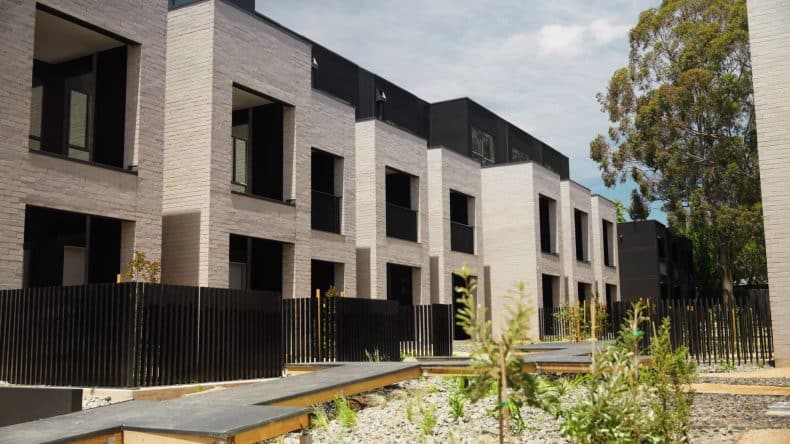
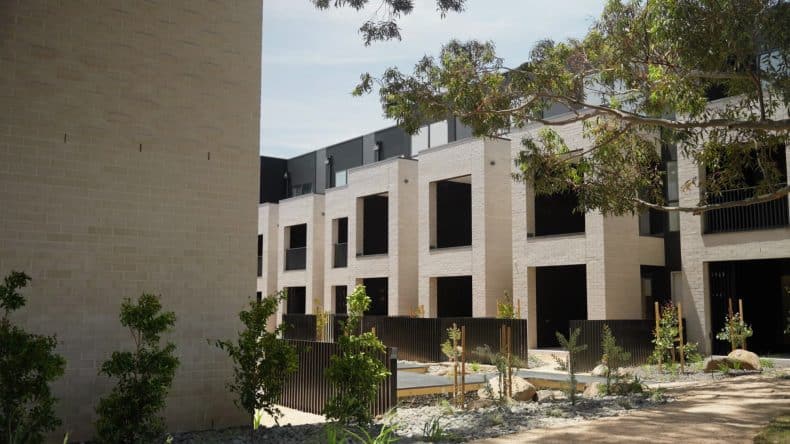
Located on the former grounds of the Wantirna Heights School, Kingloch Parade – a 51-home community from Oz Property Group, DKO Architecture and SLAB – brings a thoughtful eye to medium-density development. Rather than a typical housing estate, it’s a neighborhood rich with vitality, with homes placed to encourage communal gathering, pedestrian-friendly streets and mature landscaping.
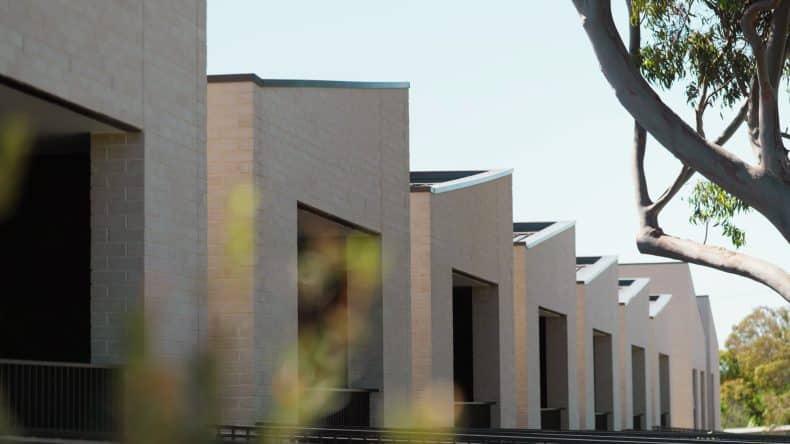
“From the built form perspective, it’s pretty consistent in character. We really took inspiration from the traditional ‘60s architecture of brick and pitched roofs.”
For the developer, the conception of such a community meant looking to the past. “The site was previously the Wantirna Heights School. It had a lot of significance in the local community, and it was a good platform for us to build on, but it also came with a strong sense of responsibility,” says Raghav Goel, director of Oz Property Group.
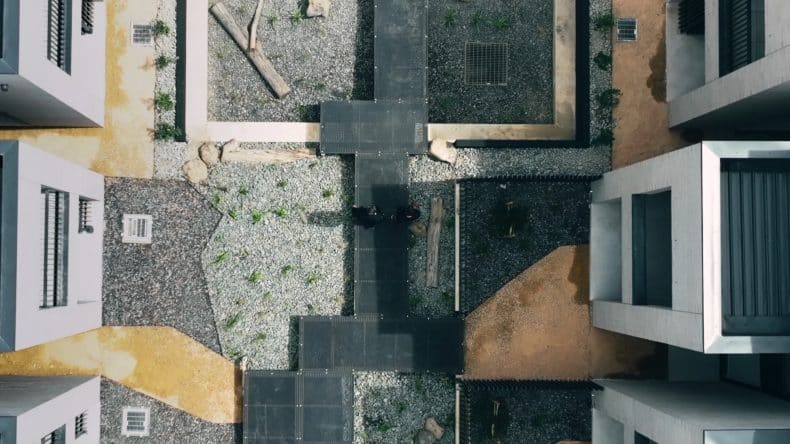
Sustainability was one of the project’s main focuses. It’s all-electric with 7-star energy ratings, solar panels, rainwater harvesting, passive design, and a bio-swale blue-green spine for water management that brings together planting and shared open space in a way that furthers community engagement. While such sustainability performance is often seen in inner-city projects rather than a suburban setting, it proves that “you can do medium-density well and that good ideas belong everywhere,” says Goel.
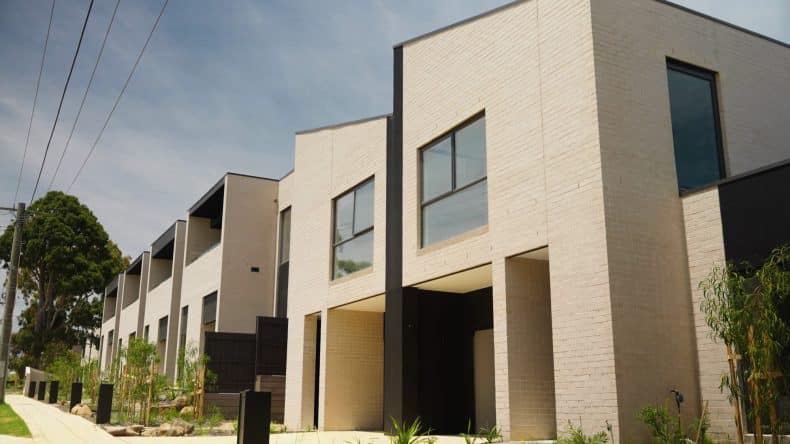
“We definitely took cues from the neighbouring streets and tried to blend them together to become something that fits comfortably within the site and within the street.”
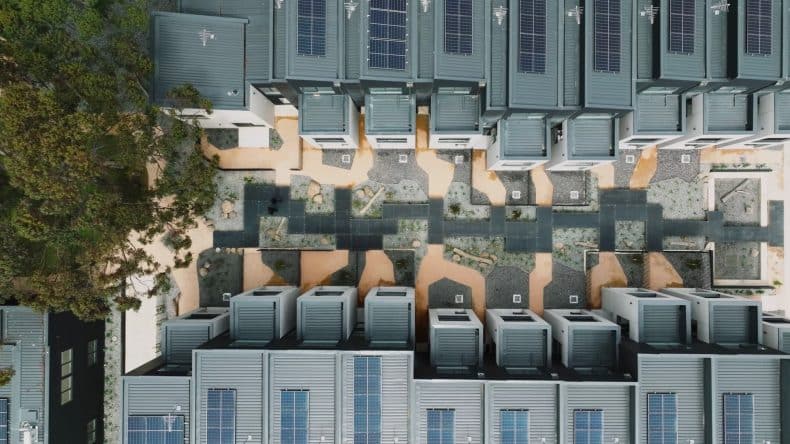
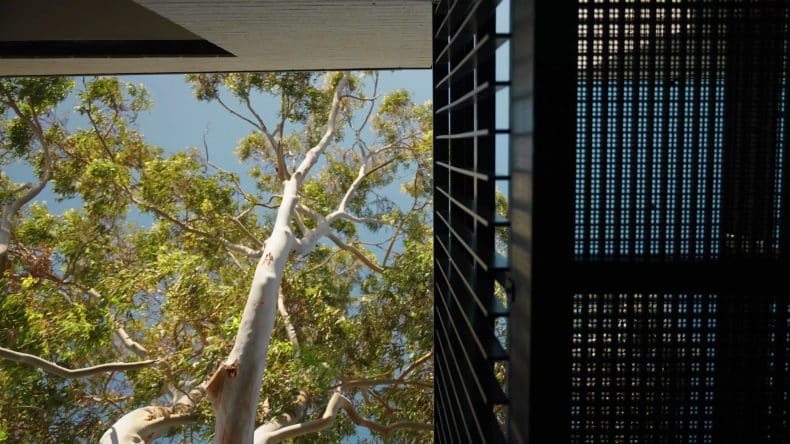
The existing tree canopies, native plantings, shading, wind and placement for solar panels informed the siting for each of the residences, a landscape-led approach that prioritises gathering and pushes cars to the edges where possible for a pedestrian-friendly environment. The designs of the homes reference mid-century design and the courtyard-style once popular of the era.
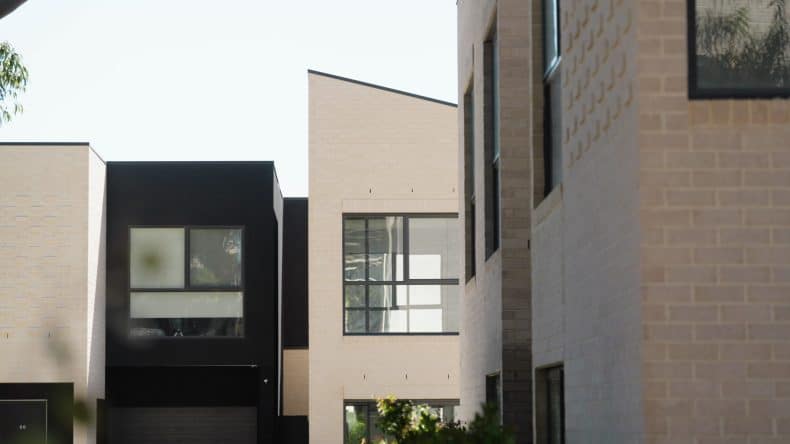
“From the built form perspective, it’s pretty consistent in character. We really took inspiration from the traditional ‘60s architecture of brick and pitched roofs,” says Jesse Linardo, design director of DKO. “We definitely took cues from the neighbouring streets and tried to blend them together to become something that fits comfortably within the site and within the street,” he adds.
Inside, a warm, tactile palette is inviting yet quiet. “The interiors of the homes are very refined but also pared back, with high-quality timber used in the bathrooms and kitchen,” says Goel. “A lot of the time, medium-density housing is done in one particular product that is sort of rolled out in cookie cutter fashion. That’s the sort of thing we wanted to avoid.”
The development blends thoughtful design with cutting-edge sustainability efforts for a neighborhood that looks back to the past while readied for the future.


